10 Hidden Garage Door Problems That Homeowners Miss During DIY Inspections
A quick look at your garage door might make everything seem perfectly fine. The door opens, it closes, and nothing appears to be on fire.
In the world of DIY inspections, that usually passes as an “everything looks good to me” seal of approval. But garage doors are large mechanical systems under heavy tension, and the real problems often hide in places homeowners never think to look.
These hidden issues tend to show up slowly and silently before they turn into major repairs. Catching them early can prevent dangerous situations, extend the life of your system, and save you money in the long run.
Below are ten of the most commonly overlooked garage door problems we find during professional inspections and why they matter more than you think.
1. Unbalanced Garage Door Weight
One of the biggest issues homeowners miss is a door that is out of balance. Your garage door should feel almost weightless when lifted manually. If it slams shut, rises unevenly, or feels heavier than it used to, that is a sign the springs are not doing their job.
An unbalanced door puts excessive strain on the opener, the cables, and the springs, which can lead to premature failure. It also makes the door structurally unpredictable, which is never good for safety.
Professionals use calibrated tests to check spring tension, something homeowners cannot assess just by looking at the door.
2. Weakening or Hairline Cracks in the Springs
Springs do not last forever. In Colorado’s climate, temperature swings and frequent use can shorten their lifespan even further.
While homeowners often check for visible breaks (usually after the door refuses to open), they rarely notice the more subtle signs.
Small gaps, rust spots, or uneven coils can indicate a spring is close to failing. When a spring breaks, it can do so with enough force to damage property or injure anyone nearby.
That is one of the many reasons spring inspection and replacement should never be a DIY project.
3. Frayed or Stretched Lift Cables
Cables are responsible for lifting hundreds of pounds of weight every time the door moves. Over time, they can fray, weaken, or stretch—especially when exposed to moisture or winter road salt that drips off vehicles.
Most homeowners do not spot cable issues because the damage often occurs on the back side or high on the pulley system. A failing cable can snap without warning, causing the door to fall unevenly or jam in place.
During a professional tune-up, cables are checked closely for tension, wear, and corrosion.
4. Worn Rollers That Still “Look Fine”
Rollers are small, but they impact everything from noise to smooth operation. A roller may still spin and look normal, but that does not mean it is functioning correctly. Cracks in the nylon, worn bearings, or flattened edges can cause the door to wobble, grind, or tilt as it moves.
This extra movement causes vibration that affects every other part of the system. A quick visual check rarely catches these subtle roller issues, until the door gets louder or misaligned.
5. Bent or Warped Tracks
Tracks rarely bend dramatically unless hit by a car or heavy object. Instead, they tend to warp slightly over time from vibration, weight, and seasonal expansion of the metal.
These small bends can cause the door to rub, drag, or strain the opener. Homeowners typically do not notice because the track still “looks straight enough.” A professional will measure alignment, spacing, and plumb positioning, details you cannot eyeball accurately.
6. Fading Safety Sensor Performance
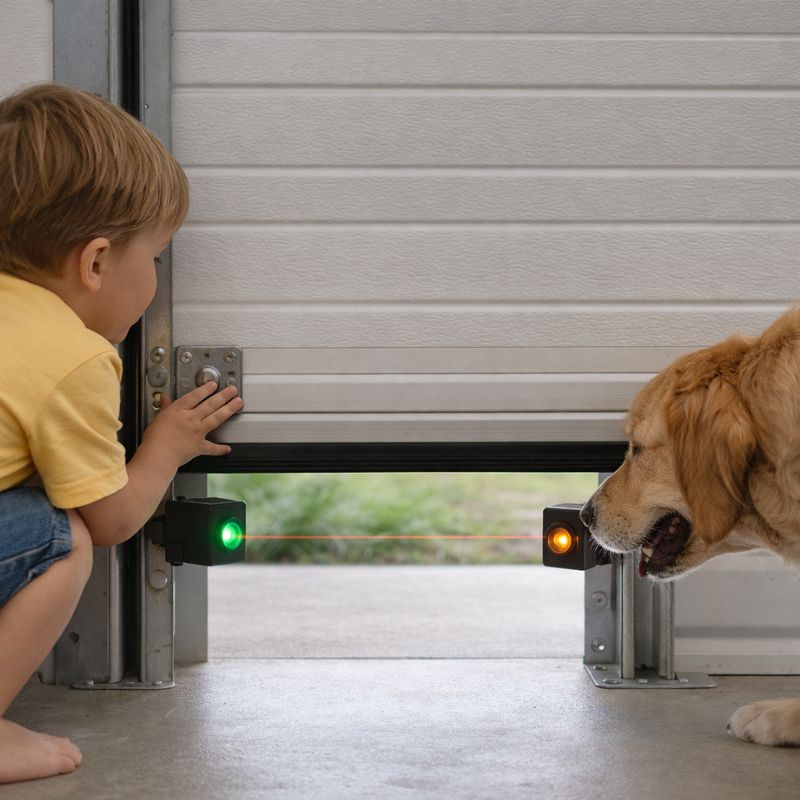
Safety sensors are designed to stop the door from closing on anything in its path. While many homeowners notice when the sensors stop working entirely, they often miss the early warning signs.
Sensors can misalign, develop weak infrared signals, or suffer from partial wiring issues. These small problems lead to intermittent reversing, blinking lights, or inconsistent operation. Because the door sometimes closes correctly, homeowners often overlook the real cause.
Left unresolved, failing sensors become both a safety risk and a source of major frustration.
7. Loose Hardware You Can’t See (but Can Definitely Hear)
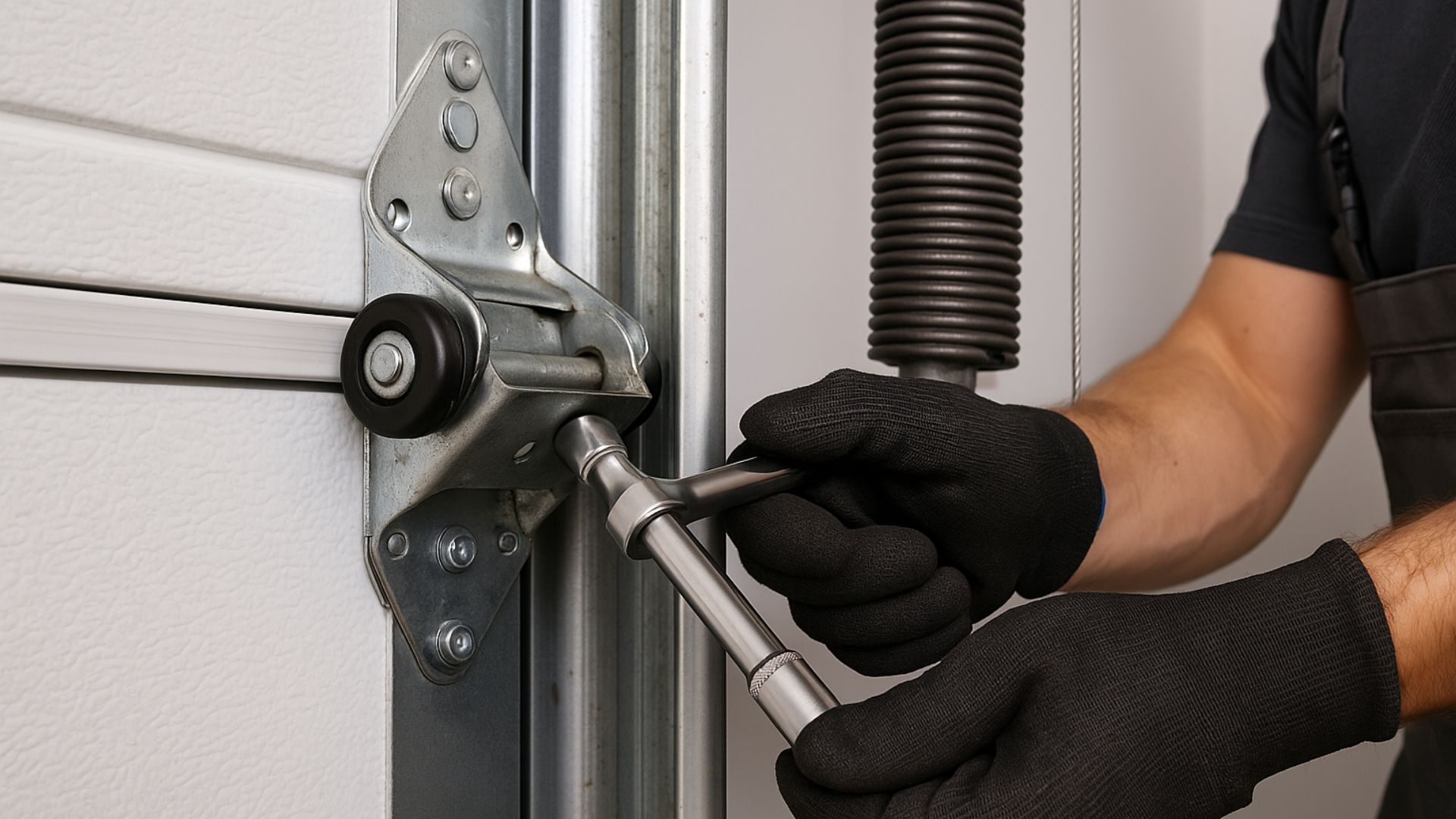
Garage doors have many bolts, brackets, and fasteners that loosen gradually from vibration. Homeowners may tighten a few obvious brackets near eye level but miss the ones higher on the tracks, deeper into the hinges, or buried behind support braces.
These loose parts cause:
- Door shaking or rattling
- Hinges grinding
- Tracks shifting
- Excess strain on the opener
Professionals use torque tools and a full hinge-by-hinge inspection—much more precise than a quick “does anything look wobbly” DIY check.
8. Opener Motor Stress and Gear Wear
Your opener motor often shows signs of stress long before it fails. Homeowners rarely open the motor housing or listen for subtle changes in sound, so early problems go unnoticed.
Warning signs of internal wear include:
- Jerky door movement
- Delayed response when pressing the remote
- Grinding or clicking sounds
- Dim or flickering opener lights
- Increased difficulty lifting the door
These issues often trace back to worn gears or logic board problems, which only a technician can evaluate safely.
9. Cracking or Failing Weather Seals
Weatherstripping around the garage door frame and bottom seal plays a bigger role than most people think. It keeps out snow, wind, pests, and moisture. But seals dry out, crack, flatten, or detach, especially under Colorado’s conditions.
Homeowners often overlook this problem until they notice cold air, water, or light coming into the garage. Damaged seals also force the garage door opener to work harder because the door cannot sit flush with the ground.
Replacing seals is easy for professionals and makes a significant difference in energy efficiency and comfort.
10. Hidden Structural Damage on the Door Panels
A garage door panel can look perfectly fine on the outside while suffering interior damage. Warping, internal cracking, rot (on wood doors), or weakened insulation can affect the door’s weight, rigidity, and smooth movement.
These problems often develop slowly and remain unnoticed until a panel buckles under pressure or fails during operation.
Professionals check panel integrity from the inside, outside, and along the seams—especially on older or frequently used doors.
Why These Hidden Issues Matter
Many hidden issues start small but escalate quickly. A garage door system operates under enormous tension, and every component relies on others being aligned, balanced, and functioning correctly. Even a minor oversight can lead to:
- Expensive repairs
- Sudden breakdowns
- Premature opener failures
- Safety hazards for your family
- Doors becoming stuck open (not fun during winter)
- Doors falling unevenly or unpredictably
Addressing these issues early helps extend the lifespan of your system and reduces the risk of dangerous malfunctions.
Why DIY Inspections Are Not Enough
Most homeowners can handle basic cleaning and visual checks, but DIY inspections have limitations. Without professional testing tools and industry experience, it is nearly impossible to identify early-stage problems with springs, cables, rollers, motor gears, or structural components.
Professionals evaluate your garage door using:
- Balance testing
- Lift force measurements
- Track alignment checks
- Safety reversal tests
- Cable tension evaluation
- Spring performance diagnostics
- Opener motor diagnostics
That level of insight prevents future failures and ensures your door meets safety standards.
Keep Your Garage Door Safe, Reliable, and Quiet
Small, hidden problems do not fix themselves. They continue to grow until something breaks, bends, or gets stuck at the worst possible time. A professional inspection from Third Gen Garage Doors can catch issues long before they turn into expensive repairs.
Whether your door is noisy, uneven, slow, or just overdue for a tune-up, our team provides detailed evaluations and same-day solutions for homeowners throughout Denver, Golden, and surrounding Colorado communities.
Want a safer, smoother, longer-lasting garage door?
Schedule a professional inspection with Third Gen Garage Doors today.