Power outages are a regular part of Colorado winters. High winds, heavy snow, and freezing temperatures often knock out electricity across the Denver metro area and nearby foothill communities. When the power comes back on, many homeowners quickly discover a new problem: the garage door will not open or close.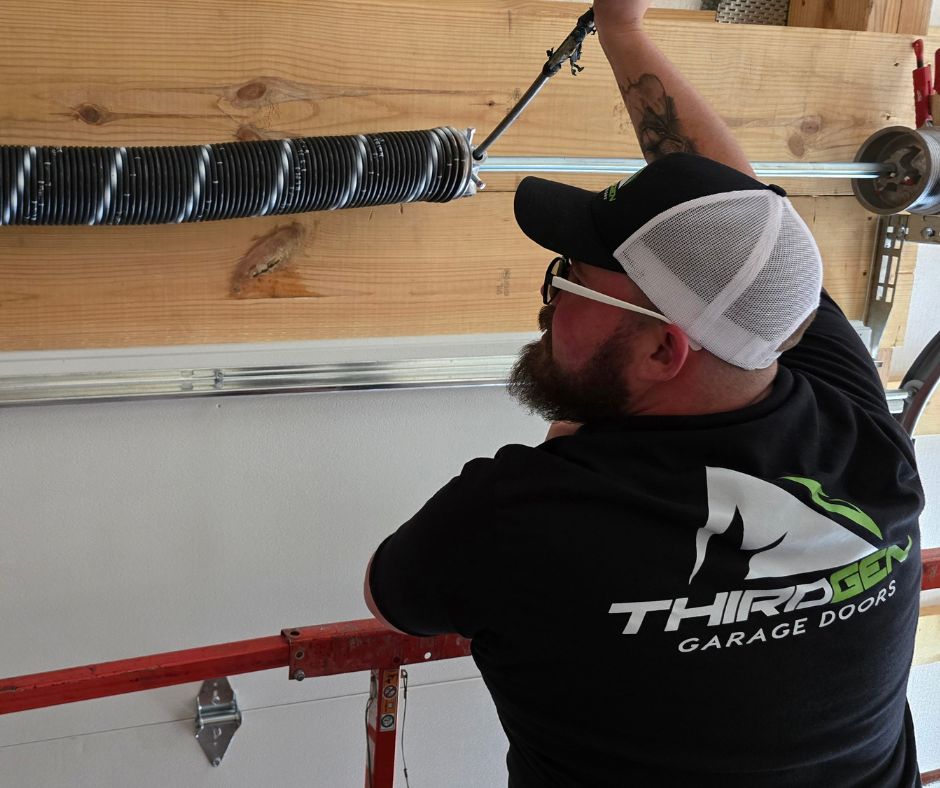
If your garage door is stuck after a power outage, the cause is usually mechanical or electrical rather than permanent damage. In most cases, the issue involves the emergency release, the battery backup system, frozen garage door parts, or a failure inside the opener motor or circuit board.
This guide explains the most common garage door problems after a power outage and helps you determine whether this is a simple fix or a situation where you should call a professional.
First Step: Confirm Power and Check the Circuit Breaker
Before assuming something is wrong with the garage door itself, confirm that power is fully restored to the opener.
Start with these checks:
- Plug another device into the garage outlet to confirm power
- Reset any nearby GFCI outlets
- Inspect the circuit breaker panel for a tripped breaker
- Make sure the wall control panel is lit
A tripped circuit breaker is a common cause of door issues after a storm. Power surges can temporarily disable the opener even after electricity is restored.
If the opener shows no lights or response at all, the problem may involve the circuit board or electrical components inside the opener.
Manual Release Problems After a Power Outage
What the Emergency Release Does
Every automatic garage door opener includes an emergency release cord. Homeowners pull the emergency release cord during a power outage so they can manually lift the door and get vehicles in or out of the garage.
This feature disconnects the garage door from the opener motor so the door can open and close by hand.
Why the Door Will Not Reconnect
One of the most common garage door problems occurs when a homeowner pulls the emergency release during an outage and forgets to re-engage it afterward. In other cases, the trolley does not reconnect properly.
Signs the emergency release is still engaged:
- The opener runs, but the door does not move
- The garage door opens easily when you lift the door by hand
- The remote control works, but nothing happens
How to Reconnect the Door Safely
To reconnect the door:
- Make sure the garage door is fully closed
- Pull the emergency release cord down and toward the opener
- Use the wall button or garage door remote to run the opener once
If the trolley does not reattach or the door jerks, stops, or makes unusual noises, stop immediately. Forcing the system can damage garage door parts or cause the door to come off the garage door track.
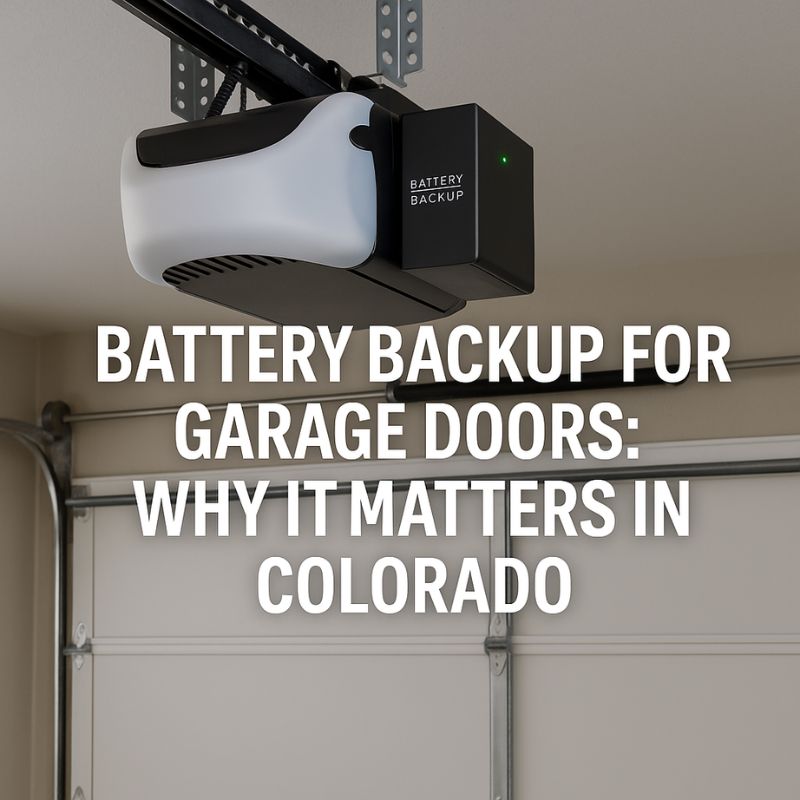
Battery Backup Issues After a Power Outage
Why Battery Backups Fail in Winter
Battery backup systems allow garage doors to open and close during power outages, but cold temperatures shorten battery life. Older batteries often fail during extended winter outages.
Common signs of battery backup failure include:
- The door opens partway, then stops
- The opener beeps repeatedly
- The garage door remote works intermittently
- The opener lights flash
What You Can Do
- Check the battery indicator on the opener
- Replace batteries older than two to three years
- Reset the opener after replacing the battery
If replacing the battery does not solve the issue, the opener motor or internal circuit board may be affected.
Frozen Components vs Electrical Failure
Colorado winters create two very different failure scenarios: frozen mechanical parts or electrical damage.
Frozen Garage Door Components
Snow and ice can freeze critical components, especially overnight.
Common cold-weather issues include:
- Frozen rollers inside the garage door track
- Ice buildup along misaligned tracks
- Bottom seals frozen to the concrete floor
- Thickened lubricant preventing smooth movement
If the door feels extremely heavy when you lift the door manually, stop. A frozen or damaged torsion spring or broken spring can make the door unsafe to operate.
Electrical Damage After a Power Surge
Power surges during outages can damage sensitive electronics.
Signs of electrical failure:
- No response from wall controls or garage door remote
- Opener lights do not turn on
- Clicking sounds from the opener motor
- Burning smells near the opener
Electrical issues usually require professional diagnosis and repair.

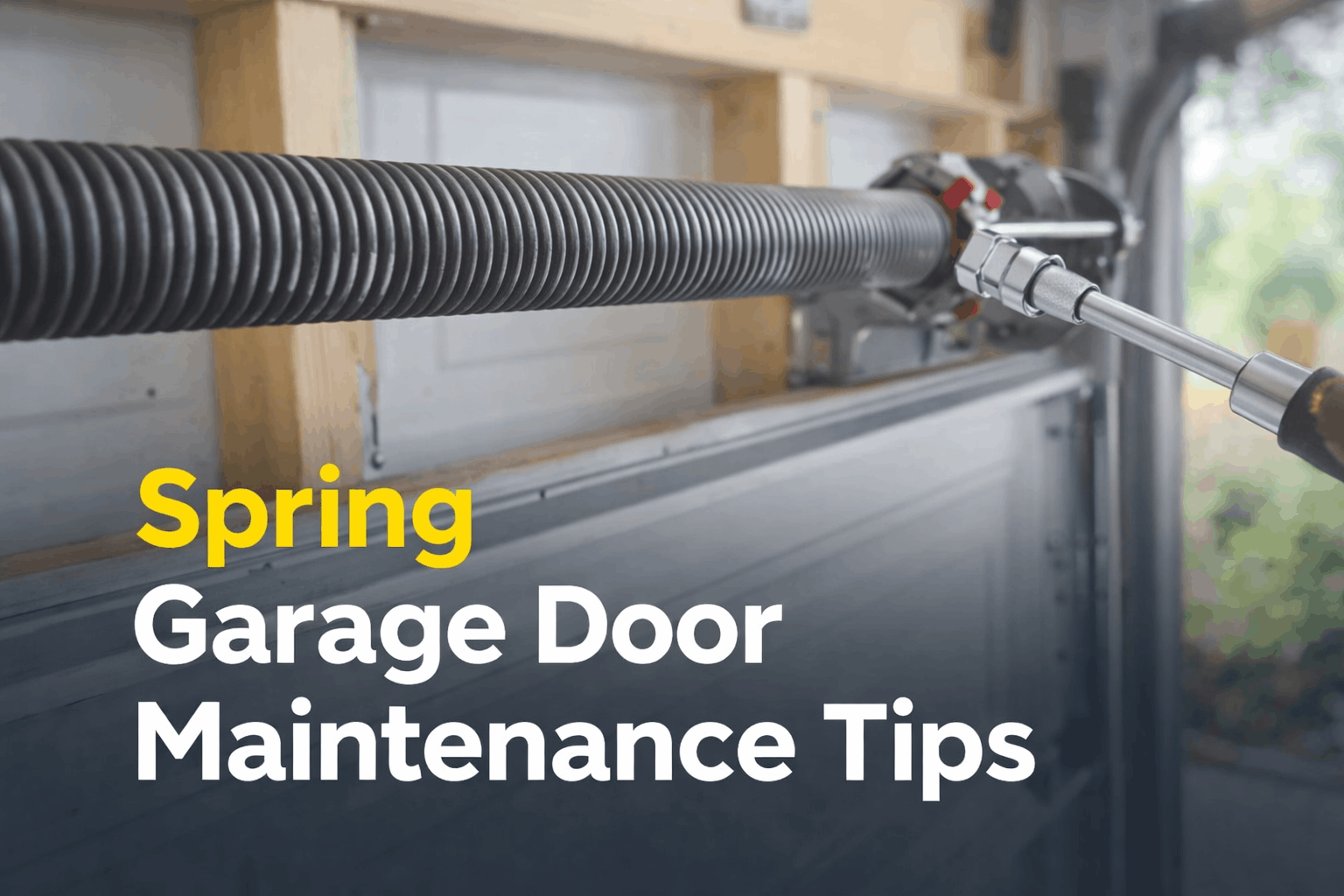
Garage Door Springs and Post-Outage Failures
Garage door springs do not rely on electricity, but outages often reveal hidden problems.
Why Springs Fail After Storms
Cold weather causes metal to contract. Older garage door springs, especially torsion springs, may break during or after temperature swings.
Signs of a broken spring:
- The door will not open fully
- The door slams shut
- Loud bang from the garage
- The opener strains or stops
A broken spring is dangerous to repair without proper tools. This is one situation where you should immediately call a garage door professional.
Garage Door Track and Alignment Problems
Power outages do not cause track damage directly, but ice, snow, and debris often do.
Misaligned tracks can cause:
- The door to stop partway
- Grinding or scraping sounds
- The door to reverse unexpectedly
- Uneven movement when opening or closing
Do not attempt to straighten tracks yourself. Misaligned tracks can cause the door to derail.
What Not to Do After a Power Outage
Avoid these common mistakes:
- Forcing the door open or closed
- Repeatedly pressing the remote control
- Running the opener with a broken spring
- Attempting DIY repairs on garage door parts
- Ignoring unusual noises
These actions often turn a small repair into a major failure.
When to Call a Professional Garage Door Technician
Some situations require immediate professional help.

Call a professional if:
- The door is stuck halfway open
- The opener motor runs but the door does not move
- You hear grinding, popping, or snapping sounds
- The door feels extremely heavy
- The opener has no power after basic checks
- You suspect a broken spring or damaged circuit board
Calling a garage door technician early prevents further damage and safety risks.
How to Prevent Garage Door Problems After Future Power Outages
Preparation reduces risk.
Preventive steps include:
- Replacing old battery backups
- Scheduling winter maintenance
- Lubricating moving parts with cold-weather lubricant
- Keeping the garage door track clear of ice and debris
- Testing the emergency release periodically
Preventive maintenance is especially important for homes in Denver, Golden, and surrounding foothill areas where winter conditions are more severe.
Final Thoughts
When a garage door will not open after a power outage, the cause is usually mechanical or electrical, not permanent damage. Many issues are simple, but others can become dangerous if handled incorrectly.
If your garage door remains stuck or shows signs of damage, call a garage door professional to ensure safe, reliable repairs.
Third Gen Garage Doors provides expert garage door repair and emergency service throughout Denver, Golden, and the surrounding metro area. When winter weather causes door issues, professional service ensures the problem is resolved correctly and safely.