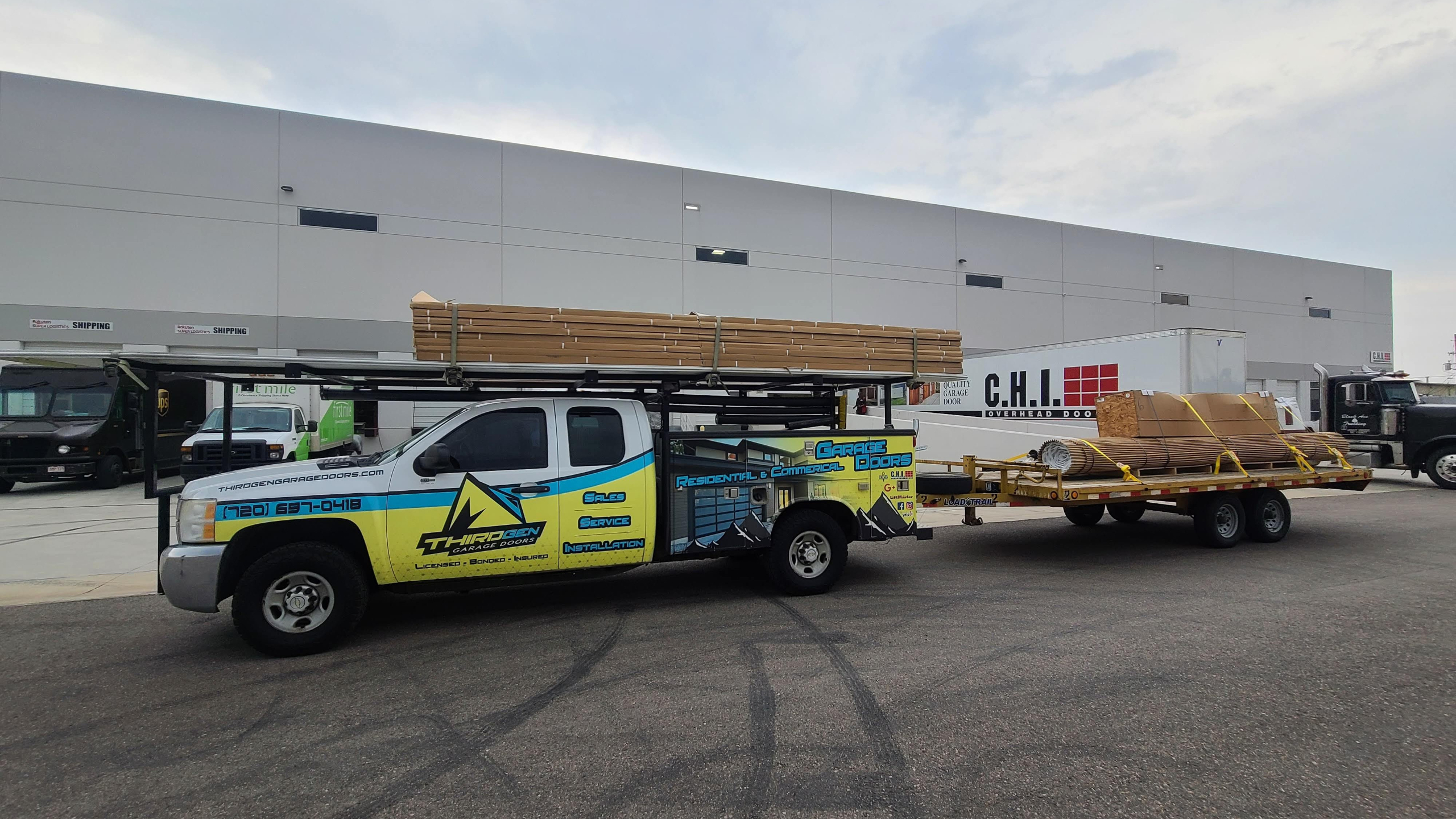
Garage Door Installation in Denver: What to Expect, Step by Step
Getting a new garage door installed in the Denver metro?
Whether your old door is hanging on by a rusty hinge or you are upgrading for curb appeal and better insulation against Colorado winters, a new garage door is a bigger project than most homeowners expect. Knowing what actually happens on installation day helps you plan, ask the right questions, and avoid surprises.
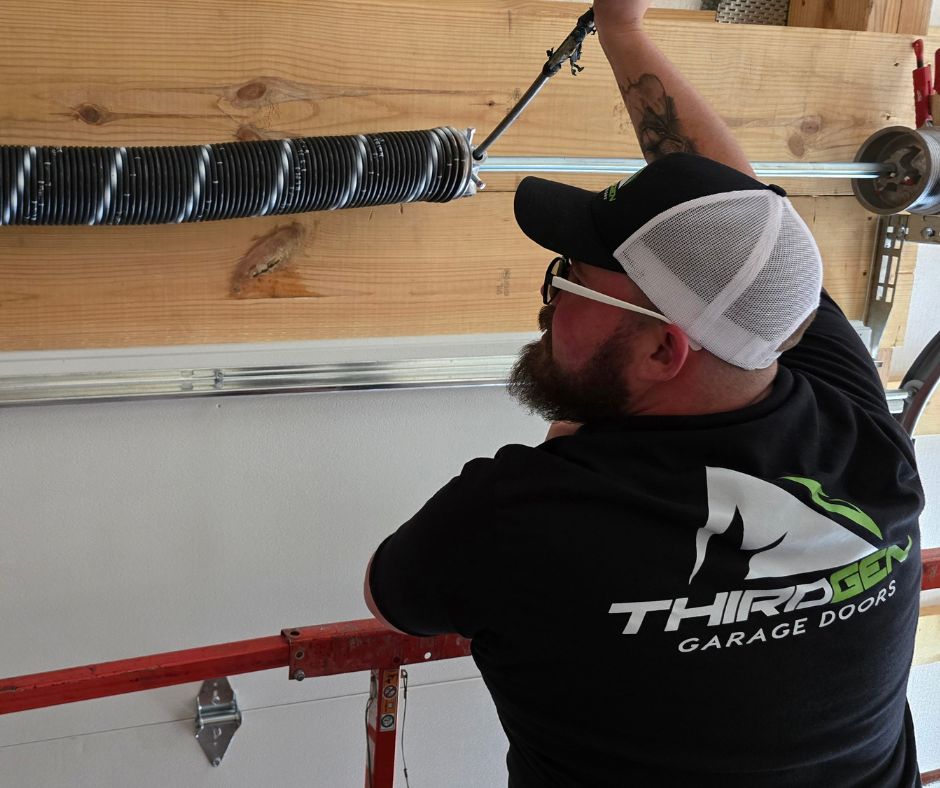
At Third Gen Garage Doors, we believe informed customers are happy customers, so here is a friendly, plain English walkthrough of the whole process, from the first measurement to the final safety test.
If you already know you are ready for a new door, you can skip straight to our garage door installation services or call us at (720) 697-0418 for a free estimate. Otherwise, read on.
Why Replace an Older Garage Door?
If your door creaks like it is auditioning for a horror film, lets in cold air, or opens with a violent lurch, it is probably time for a replacement rather than another patch repair. Along the Front Range, an aging door is not just a cosmetic problem.
Denver temperature swings can top forty degrees in a single spring day, and that constant expanding and contracting fatigues old springs and hardware faster than a milder climate would.
An uninsulated or poorly sealed door also lets conditioned air escape, which shows up on your energy bill through both the Colorado winter and the summer heat.
A new installation typically delivers better insulation and lower energy loss, quieter and smoother operation, improved security, modern safety sensors, and a noticeable jump in curb appeal. For many Denver homes, the garage door is the single largest visible feature from the street, so a replacement is one of the highest impact upgrades you can make.
If your current door still has years of life left and only one part has failed, we will tell you honestly. Sometimes the right answer is a broken spring repair or a straightforward garage door repair, not a full replacement.
Step 1: Pre-Installation Prep and Measurement
Every good installation starts before installation day. A technician measures the rough opening, the headroom above the door, the side room on each side, and the backroom depth into the garage.
These numbers determine which doors and tracks will fit and whether any adjustments are needed. We also talk through material, insulation level, window options, and finish so the door suits both your home and the Colorado climate.
This is the stage where you decide between steel, insulated steel, composite, wood, and full view glass. Getting the measurements and the selection right here is what prevents delays later.
Step 2: Removing the Old Door
On installation day, the first job is removing the existing door safely. This is more involved than it looks, and it is the part most homeowners should never attempt alone. The springs on an old door hold tremendous stored tension, and releasing them incorrectly can cause serious injury.
Our technicians release the spring tension in a controlled way, then disconnect and remove the panels, the old track, the springs, and the mounting hardware. We haul the old material away so you are not left with a pile of scrap metal in the driveway.
Step 3: Hardware and Track Installation
With the opening clear, we install the new vertical and horizontal tracks, brackets, and rollers, checking that everything is level and plumb. Track alignment is one of the details that separates a lasting installation from a noisy, short lived one.
A door on tracks that are even slightly off will bind, wear unevenly, and come off track sooner, especially under the strain of Denver wind and temperature cycling. We take the time to get this right because it determines how the door performs for the next decade.
Step 4: New Door Panel Installation
Next, the panels go in one section at a time, starting at the bottom and building upward. Each section is leveled and connected with hinges, and the rollers are seated into the track as we go.
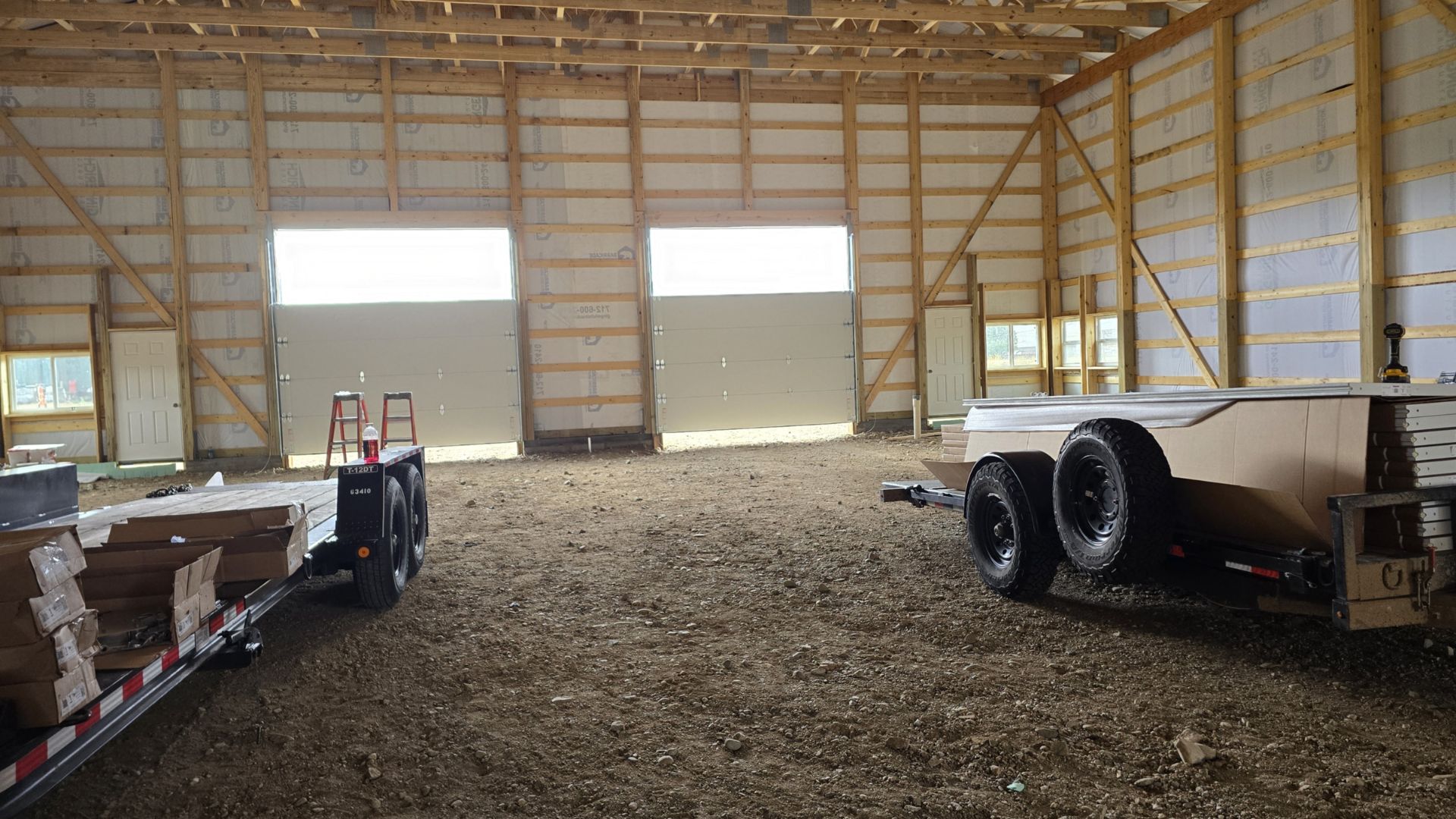
Once the panels are stacked and secured, we install and wind the springs to the correct tension for the weight of your specific door. Proper spring balance is critical.
A correctly balanced door does most of the lifting itself, which protects the opener motor and keeps the whole system running smoothly and quietly.
Step 5: Opener Setup and Smart Features
If you are keeping your existing opener, we reconnect and recalibrate it to the new door. If you are upgrading, we install the new unit, whether that is a LiftMaster, Chamberlain, Genie, or another major brand, and program the remotes and keypad.
Many Denver homeowners now choose a smart opener with phone control and activity alerts.
If you are weighing that choice, our guide on whether a smart garage door opener is worth it walks through the trade offs. We set the travel limits and force settings so the door stops and reverses exactly where it should.
Step 6: Final Testing and Safety Features
Before we call the job done, we test everything. That includes the photo eye safety sensors that stop the door from closing on a person, a pet, or a car, the auto reverse function, the manual release, and the overall balance of the door.
We run the door through several full cycles and listen for anything that is not right. Modern safety features are not optional, and a proper installation verifies every one of them works the way it should.
Step 7: Cleanup and Walkthrough
Finally, we clean up the work area, remove all debris and old materials, and walk you through your new door. We show you how to operate it, how the manual release works in a power outage, and what simple maintenance keeps it running well.
You should never have to chase down a company after the job to understand your own garage door, and you should never be left with a mess.
How Long Does Garage Door Installation Take?
Most standard single or double door installations take three to five hours from start to finish. A few factors can extend that, including a difficult removal, structural repairs to the opening, a new opener, or a custom or oversized door.
We give you a realistic time estimate up front so you can plan your day, and in most cases a new door is fully installed and tested in a single visit.
Choosing the Right Door for Colorado
Colorado weather should shape your choice. Insulated steel doors are the most popular option across the Denver metro because they hold up to temperature swings, resist denting from hail and wind driven debris, and help keep the garage and the rooms above it more comfortable. If your garage is attached or you use it as a workshop or gym, insulation value matters even more.
For custom and foothills homes, wood and full view glass doors make a striking statement, and we can match a door to almost any architectural style. Whatever you choose, the right door balances durability, energy efficiency, and the look you want for your home.
Ready for a New Garage Door in the Denver Metro?
Third Gen Garage Doors installs residential and custom garage doors across Denver and the surrounding metro, with upfront pricing and no pressure. See your options or get a free estimate today.
FAQs About Garage Door Installation
How long does a garage door installation take?
Most standard installations take three to five hours. A new opener, a custom or oversized door, or structural work on the opening can add time, but in most cases the job is completed and tested in one visit.
Do I need a new opener when I get a new door?
Not always. If your current opener is in good shape and compatible with the new door, we can reconnect and recalibrate it. If it is aging or underpowered for a heavier insulated door, replacing it at the same time is often the better value, and we will give you an honest recommendation either way.
Which garage door is best for Colorado weather?
Insulated steel doors are the most popular choice across the Denver metro because they handle temperature swings, resist hail and wind damage, and improve energy efficiency. Wood and full view glass doors are excellent choices for custom and foothills homes where appearance is a priority.
How much does garage door installation cost in Denver?
Cost depends on the size, material, insulation level, and whether you add a new opener, so the range is wide. We provide a free, upfront estimate for your specific door before any work begins, with no hidden fees.
Can I install a garage door myself?
We strongly recommend against it. The springs hold enough stored tension to cause serious injury, and an incorrectly balanced or aligned door wears out quickly and can be dangerous. Professional installation protects both your safety and your warranty.
Final Thoughts
A new garage door is a real investment in your home, and the quality of the installation matters just as much as the door you choose. When you know what to expect, you can spot a company that cuts corners and recognize one that does the job right.
Third Gen Garage Doors gets it done right, with three generations of experience behind every installation across the Denver metro. Call us at (720) 697-0418 or reach out to get started with your new garage door today.
If you are also adding an EV charger in the garage, our partner GO EV Colorado can help with that side of the project.